The Game Master's tools (part 1)
Dear readers, in this article — the first of two — we will show you some of the tools available to a Game Master, whether novice or veteran. In this first part we analyse a series of ‘physical’ tools; in the second, the techniques worth using in play. Let’s begin!
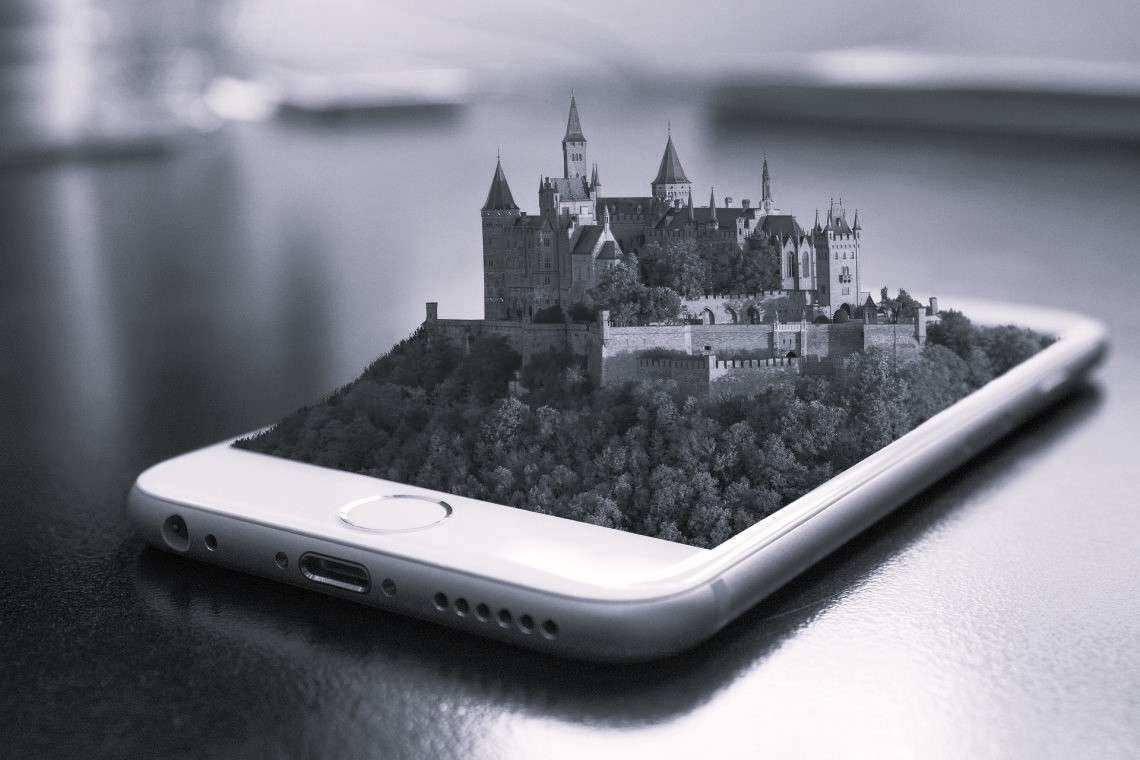
Describing monsters and game environments is indispensable. Often, though, using images helps everyone grasp the scene without long, detailed descriptions that can break the pace or prove misleading, as we will see later. Whether they show strange monsters or fantastic, exotic places, images increase player immersion and build a shared imagery. It is always good practice to accompany an image with a few notes on sounds or smells to enrich the scene.
Music
The master dons the DJ’s clothes, preparing playlists of music and songs for the session. Music can serve as a background accompanying the players through the hours of play, or be used at specific moments to better manage tension. In games where improvisation matters most, it is very hard to predict which moments will deserve a soundtrack. Conversely, music is excellent for one-shots or more railroaded sessions. Some rulebooks even suggest each character have their own ‘song’, used as the base for scenes in which the character does something particularly spectacular. The atmosphere created when combat is accompanied by epic music is worth the master’s effort!
Soundboards
A lesser-known tool is the soundboard app. Unlike music, these sampled sounds are easier to manage. Instead of describing the screech of an opening door, you just press a key for a far more evocative effect. Gunshots, screams, footsteps and many other sounds catch the players’ attention and let the master avoid misleading descriptions. Using a soundboard requires a minimum of preparation and planning, lest you keep the players hanging while hunting for the right sound. Compared to music, it adapts better to improvisation.
Miniatures and flip mats
Some masters prefer the “theatre of the mind”, while others use grids and tokens (or miniatures). Flip mats are laminated mats you can draw on with whiteboard markers. Available in several sizes and pre-printed with square or hex grids, they have become widespread. Extremely useful for games with very detailed mechanics, such as D&D and Pathfinder, they become superfluous in more narrative games like Vampire or Cyberpunk. They are also useful in investigative games. Miniatures do much more to spark the players’ imagination, but they cost more than the bottle caps or paper clips used to mark the position of characters and enemies on the map. A good compromise are ‘pawns’: tokens printed on both sides representing monster or character, slotted into small stands.
Modular dungeons
An even more interesting (and more expensive) option are modular dungeons. These pieces come in different materials: wood, resin, even stone! Costs vary widely, as do complexity and the level of detail. For those planning a dungeon-crawling campaign they are an excellent resource, provided you have adequate space for the session. Using Lego is an alternative, though it takes a little longer to assemble the rooms.
In their adventures around the world, the characters may draw or buy maps. It is useful, then, to give the players a physical map on which they can trace their journeys, helping them focus when choosing which roads to take and which directions to follow.
The Master’s screen
Almost always present at the table, the Master’s screen does not merely hide secret notes (really — the master doesn’t always improvise, sometimes there really are notes!). It also carries quick-reference tables and charts that help dispel doubts. On whether or not to roll dice behind the screen, we refer you to our more specific articles.
Tables
Some games have detailed mechanics. Calculations must be made, checking the outcomes of PC and NPC actions against specific tables. They are extremely useful for improvising: how else do you determine what will attack the players — and how — while they camp, relaxed, in the woods?
Hourglass (or timer)
Rarely used but very useful are the tools that mark time. Tired of the usual combats where players stretch their turn to infinity, boring everyone else? An hourglass passed from player to player, marking the maximum length of a turn, is an excellent way to make everything smoother and more dynamic. The group must decide how to answer an NPC? Setting deadlines keeps the scene’s tension high and curbs endless discussions.
Software and apps
Many useful programs and handy applications are around, especially for the master: combat trackers for managing turns, soundboards, rule and stat compendiums, spell lists. Using apps in particular saves time and energy. Digitally fillable sheets, spreadsheets or online character sheets (via roll20 and the like) also greatly simplify damage calculation and the use of abilities, speeding up the clunkier games once you have written a few macros.
Forums, F.A.Q.s and tier lists
Very useful for first-time masters, but also for the veterans, these resources spring from communities of enthusiasts to help build campaigns, balance encounters and challenges, or settle doubts about rule interpretation. Searching online lets you find discussions analysing precisely the problem you are facing, saving a great deal of time.
In the next article we will illustrate some of the techniques that complement these ‘physical’ tools.
Can you think of other tools we haven’t mentioned? Any doubts, questions or criticism about what we wrote? Would you like any of these topics explored further?
Write to us in the comments or on our Facebook page!