
Why do game masters roll dice behind the screen?
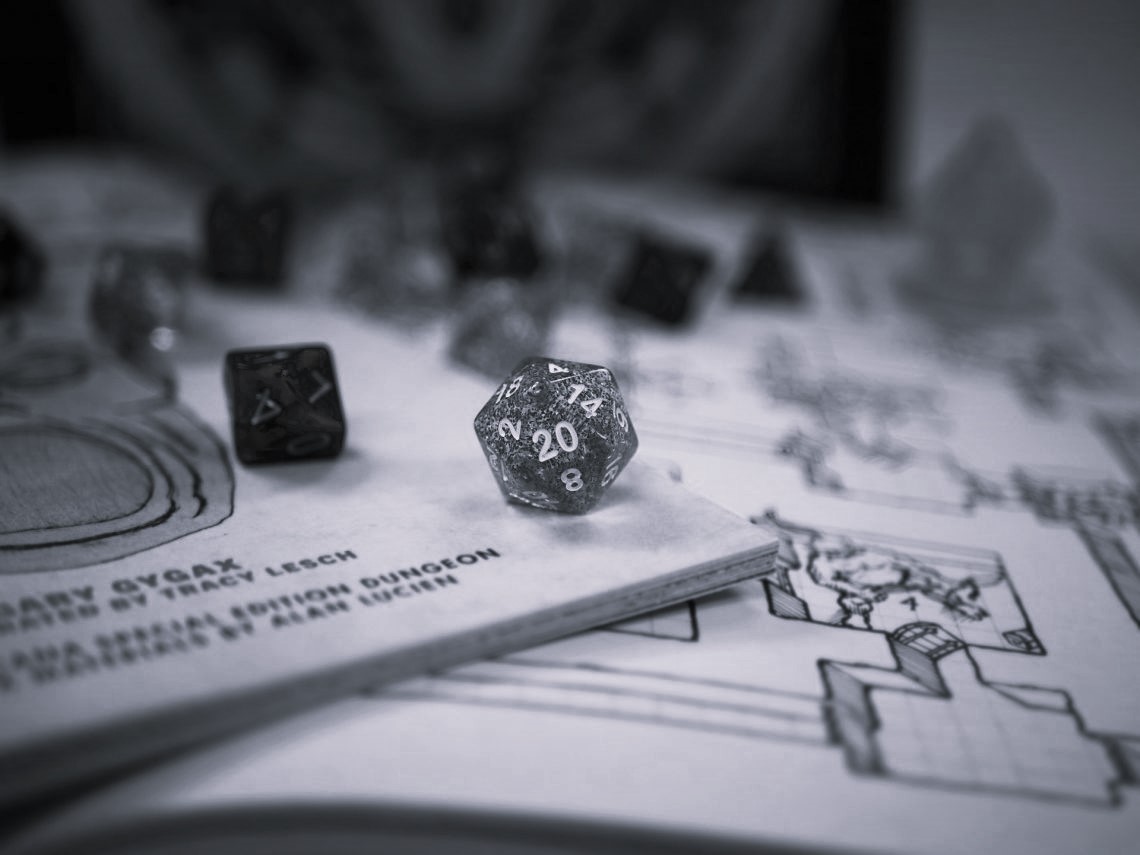
Remember that time when, as a player, you attempted a gamble or a ruinous action in play, and the game master had to roll a die to judge the consequences?
How much you wished you could see the result of that die before it sealed your fate! Too bad that hateful screen stood in the way!
Hence the frequent questions: why do so many game masters roll dice behind the screen (1)? And should we trust the result they proclaim (2)?
(1) Many game masters roll behind the screen by convention; others because they are aware of many aspects of the game and of mechanics often obscure to the players, as well as of the enemies’ traits and statistics. The main motivation, then, is practical.
Imagine you are facing monsters and have just made a ruinous roll that not only cancels your response to their attack, but leaves you further exposed to damage. The game master rolls behind the screen to describe the magnitude of the misfortune about to strike you. Suddenly, an earthquake shakes the ground and you are saved at the last moment, taking less damage than expected.
Would you have felt the same thrill or surprise if the game master had rolled in front of you — perhaps even more dice than expected — letting you guess that something else was about to happen? If you had seen the values on the dice, wouldn’t you have started counting the damage and comparing your maths with the master’s words?
So: the game master rolls dice for things the players do not know are happening. Here another consideration comes in, centred on player psychology: every situation in which you lack the data to foresee the future increases the suspense of the game and amplifies the players’ emotions.
(2) Should you trust the game master?
Common sense suggests that, if you are embarking on a play experience with a group, a good rule is to extend trust to everyone involved — game master included — and then judge how the sessions unfold over time. Behind the screen, the master can easily change the score of a rolled die, yet this possibility should not automatically be considered unfair. Honesty and respect are values of the highest importance for everyone involved, but there are exceptional occasions on which they cannot be pursued.
Think, for example, of roleplaying games with a high character mortality rate: sometimes, through sheer bad luck with the dice, most of the party manages to get their characters killed in the first part of the session. What then? Do you spend more time writing new character sheets (a backup character is not always at hand), risking boring the players who were hoping to continue the adventure? The game master may decide to “cheat” with the dice to make things go better, saving characters from certain death and allowing the group to carry on. Is the game master an enemy, or an ally in play?
The classic objection — “but that’s not fair, the players can’t see what the master rolls!” — rests on a mistaken premise: the belief that the characters play against the game master. In most cases, they do not. Game masters know they play an important role in guaranteeing fun at the table, and for this reason they sometimes sacrifice themselves, trying in every way to meet the group’s wishes.
Game masters are friends, acquaintances, members of the group on a par with the players — but with extra responsibilities they often represent an authority at the table, answerable for what happens in the game. For this reason, many people take advantage of them, offloading responsibilities that are not theirs (such as resolving personal conflicts with other friends or players at the table). Moreover, open or unspoken conflicts can always arise between the game master and the kind of person who typically challenges authority out of defiance or rebellion. What are your personal experiences? Write them in the comments!